
Developing a 62 m Energy-Efficient Paint Booth for Vestas Wind Turbine Blades
“One of the facility's heaviest energy loads became one of its most efficient systems.”
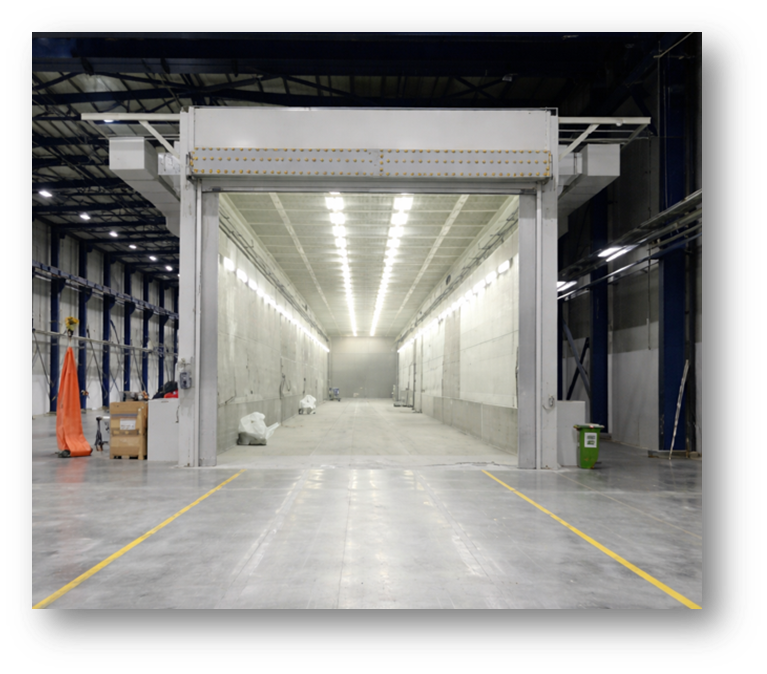
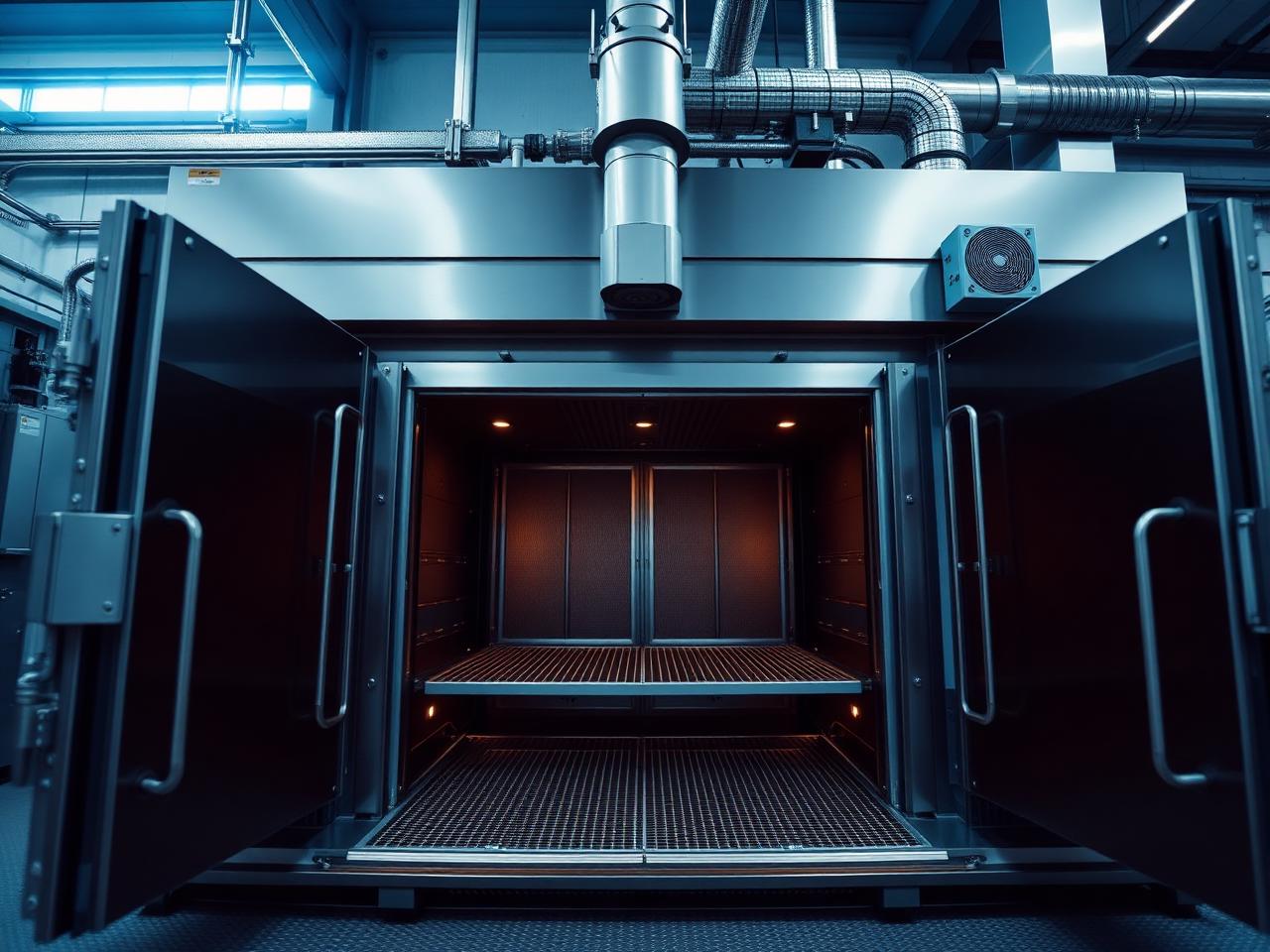
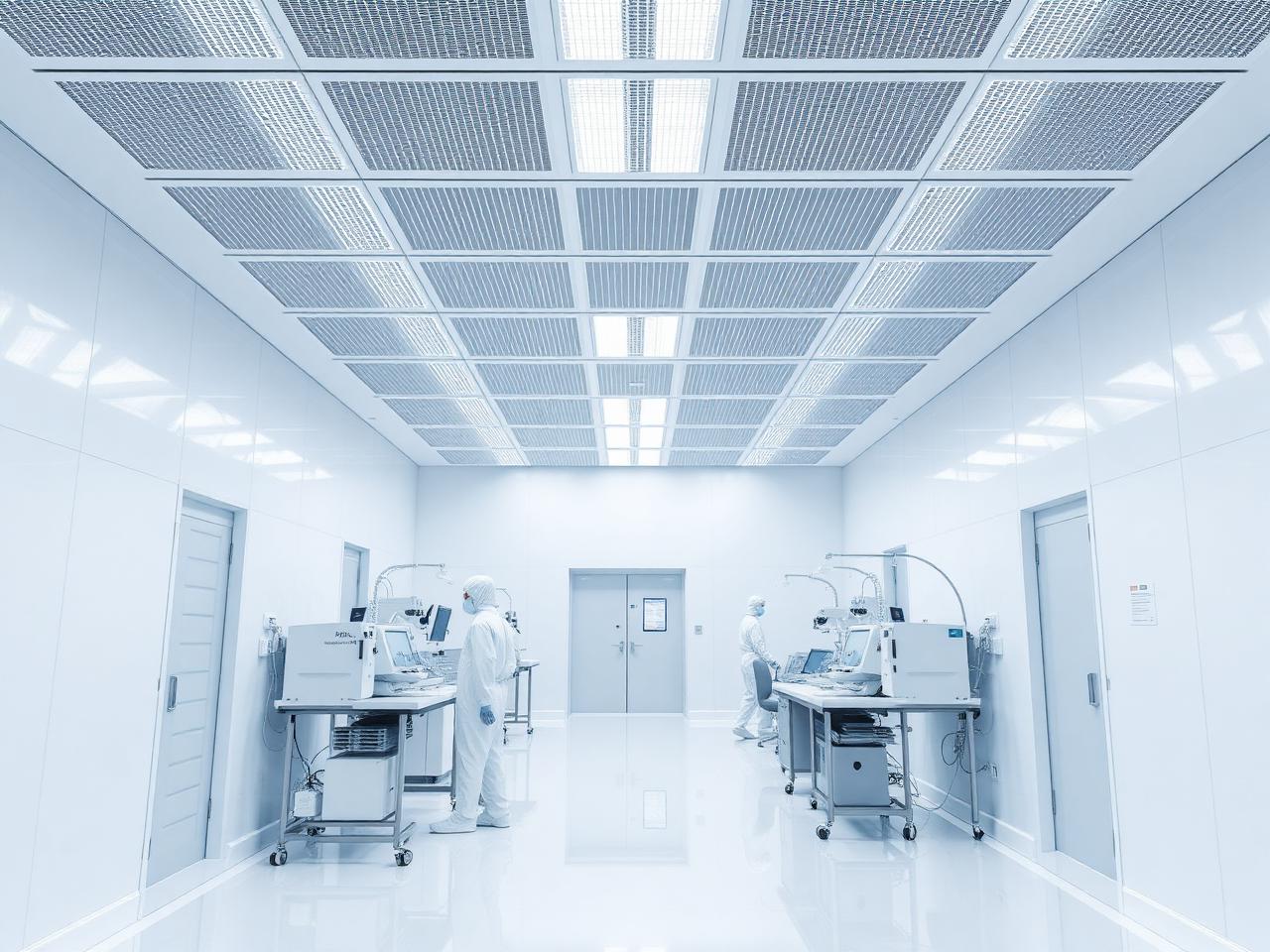
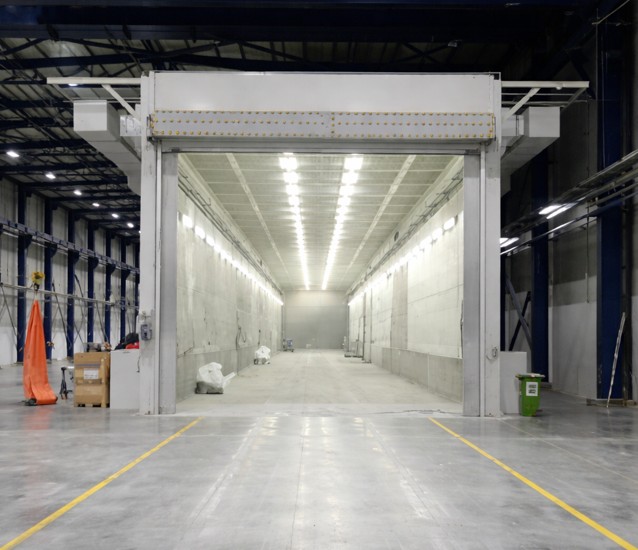
A windmill blade manufacturer in Ahmedabad needed an air-conditioned paint booth sized for its blades: 62 m long, 6.5 m wide, 7.5 m high. Two things were non-negotiable — precise temperature and humidity control, and enough downward airflow to flush overspray clear. Getting either wrong meant breathing and visibility risks for painters, fire risk from suspended VOCs, and defects from paint particles settling back onto the blade.
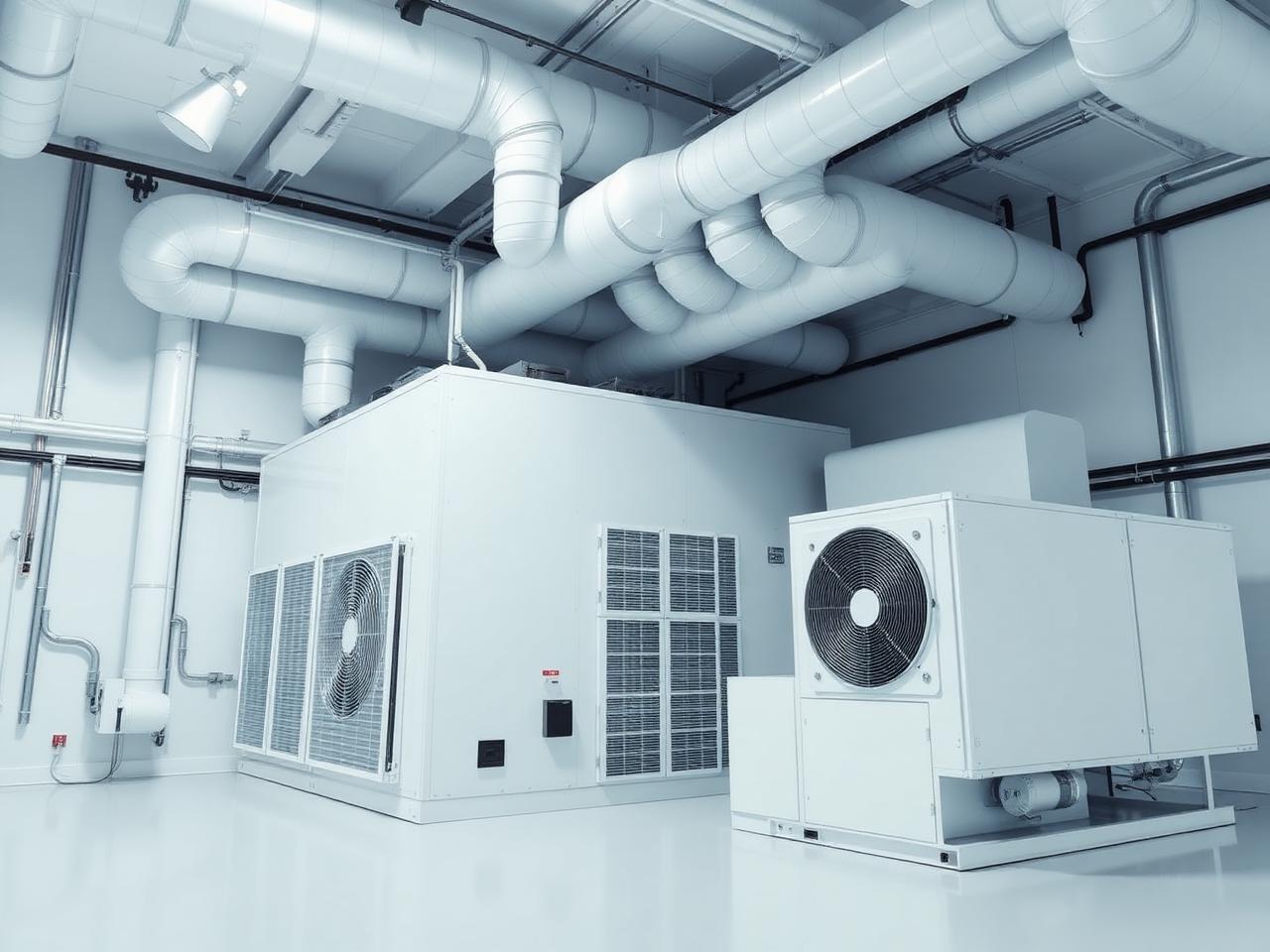
Standard paint booth design runs continuous downward airflow across the whole booth — fine at 7–8 metres, but at 62 metres it meant 250,000 CFM of treated air, ~2,000 tonnes of AC load, and an estimated ₹3 crore annual electricity bill.
We found three places the conventional design was wasting energy, and engineered around each:
Zoned airflow. Blades are painted in sections, not all at once — two painters move steadily from base to tip, so overspray only ever happens in one limited zone at a time. We split the booth into ten independently controlled zones, with only three running at high velocity at any moment. Result: a 70% cut in the active high-velocity footprint.
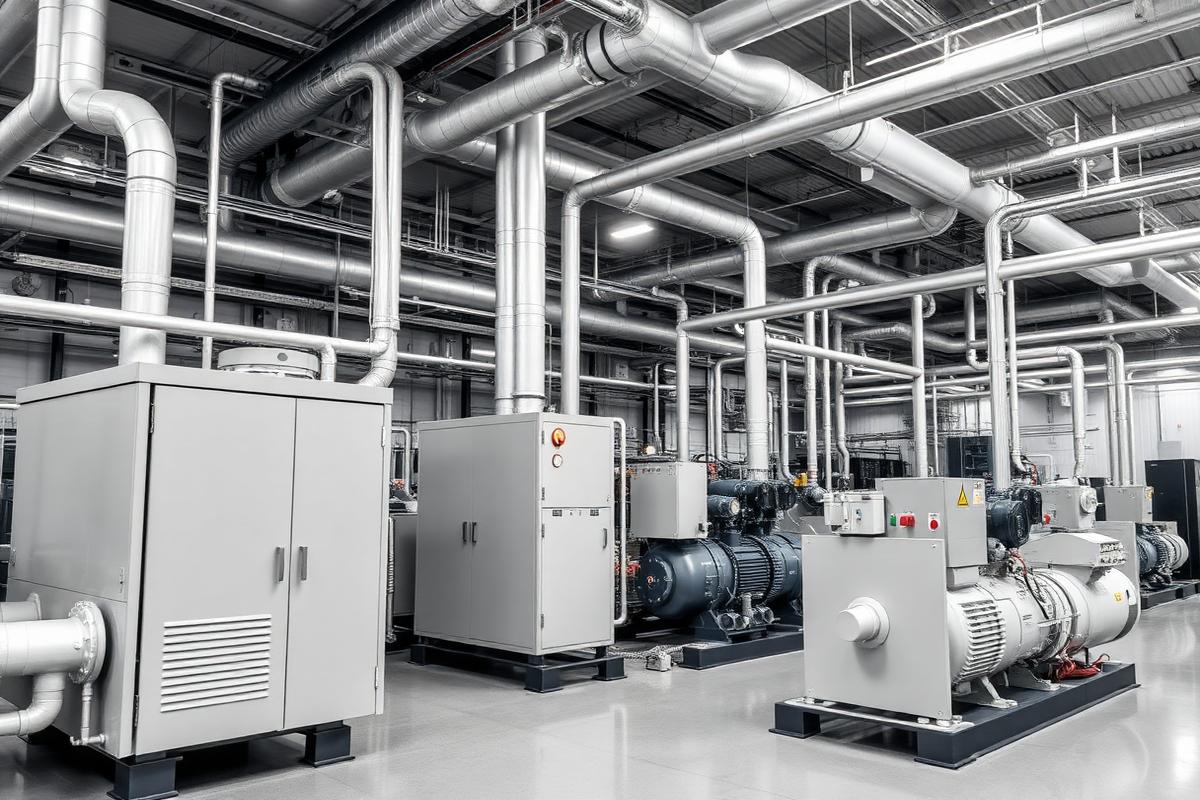
Waste-heat reheating. Humidity control normally requires reheating the air with fossil fuel. We routed waste heat recovered from the chillers into reheating instead, eliminating fuel demand and reusing energy that would otherwise be discarded.
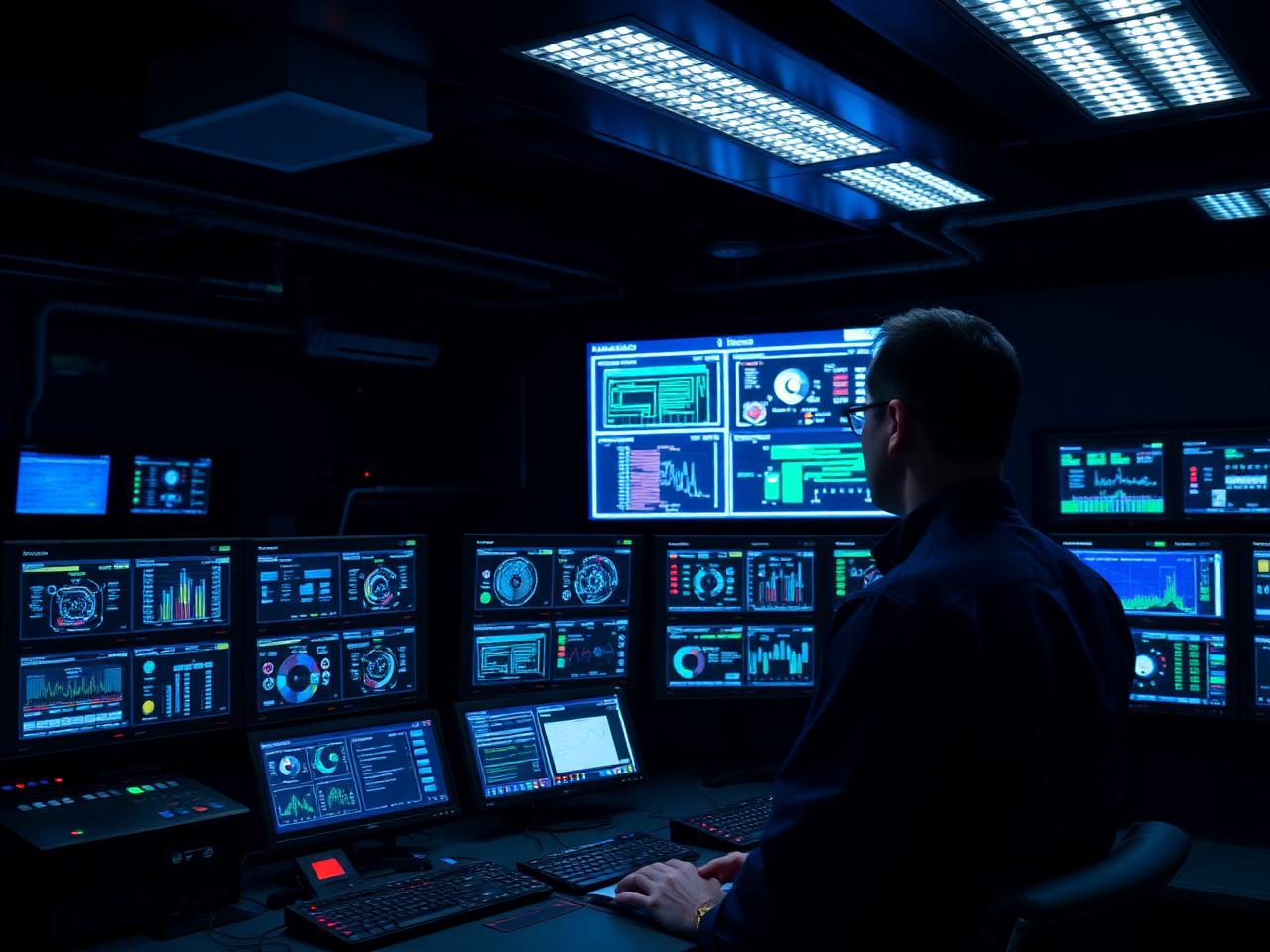
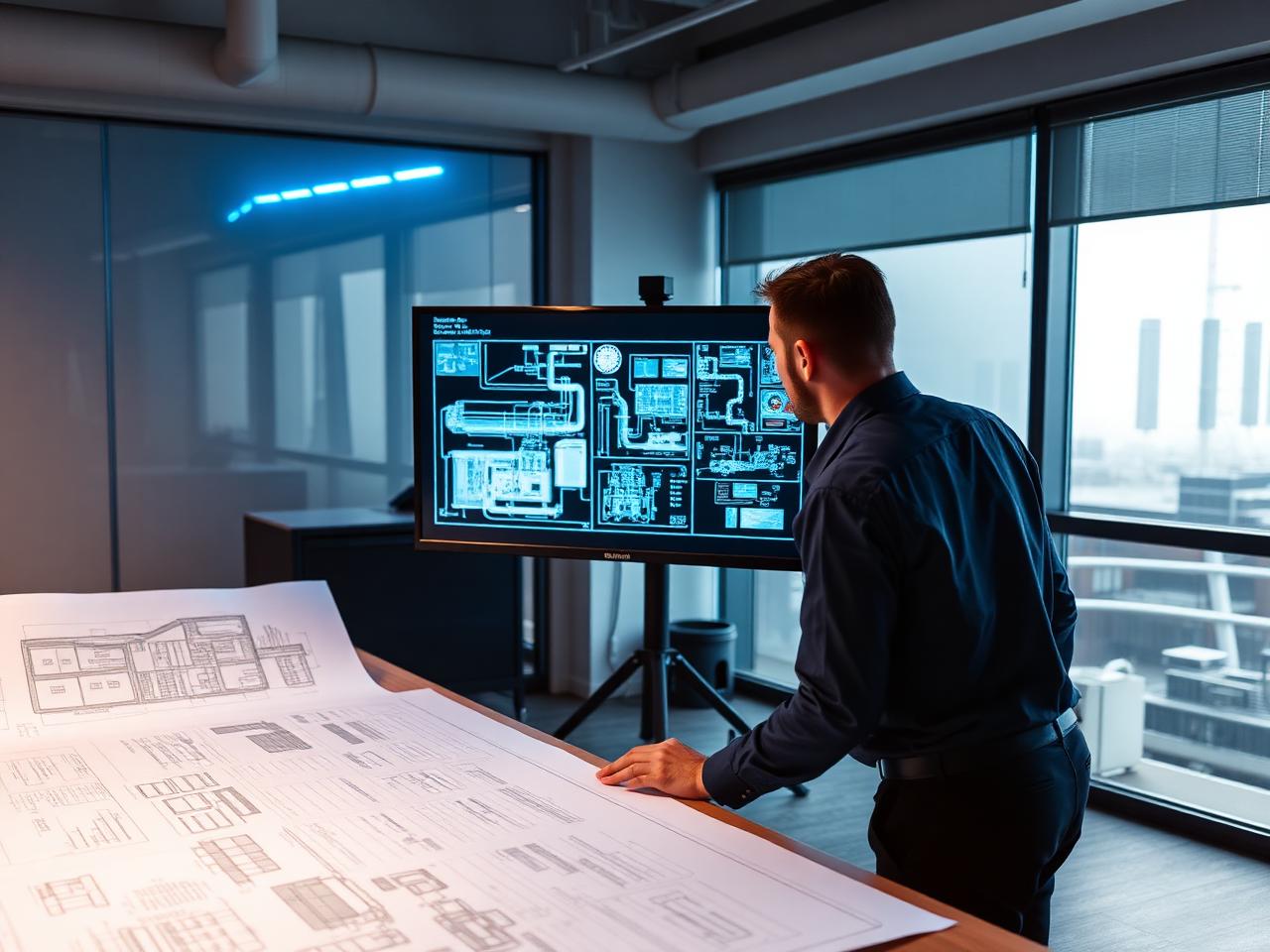
Dynamic setpoint control. Most booths run a single fixed temperature, even though 18–26°C is acceptable. A fixed 22°C setpoint meant overcooling by ~162 tonnes on a 45°C summer day and overheating by ~568 kW on a 10°C winter day. We programmed the PLC to automatically pick the optimal setpoint within range based on real-time outside conditions — so the system never works harder than the process needs.
These three interventions turned one of the facility's heaviest energy loads into one of its most efficient systems — saving the client ~₹2 crores a year in electricity, with no compromise on temperature, humidity, or paint quality.